Heat-health alert for East of England

An amber heat-health warning has been issued by the UKHSA. The warning is in effect from the morning of 11 August 2026 through to the evening of 14 August 2026. Please ensure you keep up to date with weather reports reports and plan accordingly.

Interim Deprivation of Liberty Practice Guidance (AGNI Judgment 2026)

New interim guidance has been published following the AGNI 2026 Supreme Court judgment. Adult Social Care providers are encouraged to review the guidance to understand Essex County Council's current interim approach while further national guidance is awaited.

Read the guidance

Essex County Council - Provider Hub
Text size:

This section is where you will find lots of helpful ‘tools’ that you can use to support people who are showing signs of ageing. You can download and print off any of the documents and use/reproduce/amend as you require.

The Tools are divided into four categories:

  1. Health
  2. Observations
  3. Towards end of life
  4. Capturing the essence of the person

In addition, there is an Ageing well checklist for Service Providers, which in effect is a prompt sheet which they have been encouraged to use, in advance of any reviews, so that they can evidence that each relevant tool referred to on the checklist is in place where required and is up to date.

Here is a version of the checklist for Practitioners that you can use to remind yourself of what to look for and ask at the reviews of people with disabilities who are showing signs of ageing.

Look at the checklist and use this as your guide to make sure that everything is in place that is required to support the person to age well. Consider each item on the list, one by one, to see what’s relevant for the individual person. Ask probing questions and ask to see documents and evidence of what is being provided.

Check that documents are relevant, up to date and are being reviewed annually for relevance of information captured. Some people will age quicker than others so ensuring that information is accurate will help to promote the right support at the right time.

Make sure that you understand the purpose and function of each of the tools, print off any that you feel are relevant so that you can show them and promote them at reviews, if you feel that they can help make the ageing well journey better.


The Tools

Have a look at each one of these tools to familiarise yourself with what they are and how they can help.

Click on the links in the drop down boxes below to see the document and any supporting information.

A Healthier Me Mencap – This easy read pack has lots of information about different foods, how much it’s advisable to eat and how to make healthy choices.

Healthy eating for people with learning disabilities – ELDP produced document outlining Provider responsibilities and useful things to do to help people make healthier choices.

NHS Health Check - NHS – A health check-up for adults in England aged 40 to 74. It's designed to spot early signs of stroke, kidney disease, heart disease, type 2 diabetes or dementia. As we get older, we have a higher risk of developing one of these conditions. An NHS Health Check helps find ways to lower this risk.

Dental treatment for people with special needs - NHS - access to specialist community dental services including the criteria.

Easy Read - Community Dental Services – easy read information about going to the dentist

Changing Places Toilets - these toilets are larger facilities that have the right equipment, including a changing bench and a hoist, designed to support disabled people who need assistance. The link includes a search option to identify where these toilets are across the country which can be viewed as a useful map.

Autism and diet - British Dietetic Association (BDA) – This Fact Sheet looks at the most common dietary problems affecting autistic people and how dietitians can help.

My health passport (autism.org.uk) - ‘My Health Passport’ is a resource for autistic people who might need hospital treatment.

The passport is designed to help autistic people to communicate their needs to doctors, nurses and other healthcare professionals. It was developed by Baroness Angela Browning – an National Autistic Society Vice President – in collaboration with The National Autistic Society.

What do dietitians need to know when seeing a patient with a Learning Disability? - British Dietetic Association (BDA) – contains useful information about what dieticians need to look out for when working assessing the needs of someone with a learning disability.

Helping older people maintain a healthy diet: A review of what works - GOV.UK (www.gov.uk) illustrates the impact of malnourishment and what can be done to rectify this

Pre-health check questionnaire – to help you to plan your chat with your Doctor.

Annual Health Checks – so that you know and can prepare for everything that should be discussed during your health check up

Health Action Plan to help you know what you need to do to stay healthy.  This follows the annual health check and notes the agreed actions for the year.  

Diabetes toolkit overview – information on diabetes and what you can do to manage it

Hospital Passports – for health staff to know who you are and what makes you, you.

STOMP -  is a NHS project in England that aims to stop the number of incidences of people with learning disabilities being prescribed psychotropic medication to manage behaviour.

ReSPECT | Resuscitation Council UK - The ReSPECT process creates personalised recommendations for a person’s clinical care and treatment in a future emergency in which they are unable to make or express choices.

Guidance: DNACPR and CPR decisions | Resuscitation Council UK information from the Resuscitation Council UK which will help with discussions about DNACPR

DNACPR a copy of the form used for DO NOT ATTEMPT CARDIOPULMONARY RESUSCITATION

Essex Frontline - Frontline is a community project. It helps frontline workers and the public to find details on local health and wellbeing services and to contact services through call back and referral options.  

Accessible information - and how it can help – states the legal requirements of organisations consistent approach to identifying, recording, flagging, sharing and meeting the information and communication support needs of patients, service users, carers and parents with a disability, impairment or sensory loss.

Whzan Digital Health Blue Box Overview - Blue Box contains a Whzan tablet PC and wireless instruments. It is a piece of kit that connects with the GP surgery and includes basic observation equipment like thermometers, blood pressure cuffs and pulse oximeters. If the GP spots any worrying data coming in, they can contact the service and get to see the individual quickly.

NHS - Screening for a learning disability information about what health screenings someone should have at what age.

Easy read LeDeR Letter to GP this gives permission by the person with a learning disability, for LeDeR to access to their health records if required after they have died.

Constipation - toolkit overview and Constipation Care Guideexplains why paying attention to someone having constipation and helping them resolve it, can save their life

Dysphagia and aspiration pneumonia toolkitto help manage problems with swallowing

Easy read document - Prostatethis has information produced with pictures and symbols about looking after your prostate

Essex Wellbeing Service - Provide Essex residents (excluding Southend-On-Sea and Thurrock) access to health checks, stop-smoking services, weight management courses and emotional health and wellbeing support.  

Obesity and weight management for people with learning disabilities: guidance - GOV.UK - advises about specific aspects of weight management for people with learning disabilities. It includes useful things to consider when supporting a person with a learning disability to lose weight.

Improving healthcare access for people with learning disabilities - GOV.UK - useful resources for service providers to use when supporting someone with learning disabilities to manage their health

Individual baseline – helps people know how you are when everything is good in your life so they can tell when something changes.

RESTORE 2another observational tool to notice subtle changes in how someone presents.

Significant 7 – an observation tool aimed at helping staff recognise early signs of deterioration.

Wellbeing and Illbeing - This tool encourages the user to observe behaviours, posture, engagement, emotions etc which will form a picture of the person in terms of their state of wellbeing or indeed their state of illbeing.

When I Die - Easy read and symbols - a document in easy read that can be used to record people’s wishes for what happens after they die.

Advance Care Planning - Advance care planning offers people the opportunity to plan their future care and support, including medical treatment, while they have the capacity to do so

End of life - Advance Care Planthis version is an easy read end if life plan

NHS continuing healthcare - Social care and support guide - NHS information on eligibility and assessment of CHC neds

Make a statutory will on behalf of someone else: Overview - GOV.UK (www.gov.uk) - Where someone does not have capacity, a special type of Will can be put in place on their behalf. It's called a Statutory Will and is formally authorised and approved by the Court of Protection. 

Mencap - making a Will. useful information to support someone with a learning disability to make a will.

Questions for Practitioners

  • Have you clicked on the links for each ‘tool’ to see what information and instruction there is?
  • If asked to, by a family member or member of staff at the review, could you confidently promote each of the tools?
  • How do you think promoting some of these will impact on the ageing well journey for the people you are undertaking reviews with?
  • How does the approach in the Families and Carers version of the Toolkit, differ from the Provider version?


Capturing the Essence of the Person

Life story books, Memory boxes and Communication Passports are important things for people to have in place before they show signs of ageing. They ensure that wherever someone is living or has to move to, staff supporting them will always have information that helps them to get to know the person well, in a short time frame. Click on the following banner to find out more about what you should be looking for when undertaking reviews.  

What is a Life Story book?

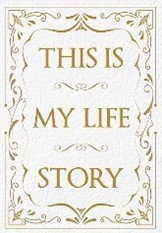
A life story book is a collection of stories and memories that characterise the significant relationships and events over a person’s lifetime.

There is no one way to produce a Life Story book as they are unique to the person.

For some people, the reality is that as their needs change, a move to alternative accommodation becomes more likely. You may well have been supporting someone for many years, so long that you know their life history and who they are without even thinking about it. But what about if they had to move to somewhere new because of, for example now having nursing needs, how would the new staff get to know who the person is, their likes and dislikes, the quirks that make them who they are?

One of the greatest things that you could do, is support someone to capture their life story, to be shared with others as necessary. This could be in the form of an i-pad recording, photos, symbols, easy read, a collage, music, the list is endless, whatever best suits the individual and that they can understand. Imagine a new person arriving in one of your services with a Life Story book in hand, how helpful would you find that in your quest to get to know and understand who they are? 

Many people with disabilities who are ageing, will have ageing or elderly relatives who are likely to have valuable memories and stories to contribute to the Life story book. If necessary, you can help the person you are supporting to engage with their families, to help capture some of this information to go into their Life Story. 

There are many resources you will find from an internet search, which will help inform the content of a Life Story Book.


Memory boxes

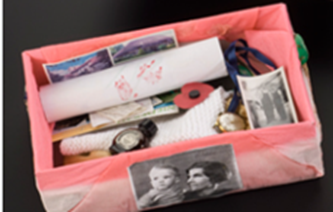
A memory box holds special things belonging to you. It might include photos, some favourite music, letters or a recorded message. 

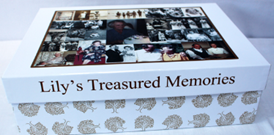
They can be physical boxes which can be personalised as the person wishes, a Photo book containing images of items and people or even a virtual version, made up from uploaded photos, documents and music, whichever would best fit with the person who is capturing their memories.

Why is it important to help someone with disabilities create a memory box?

  • They are great conversation starters
  • They help new/agency staff get to know who the person is in a timely manner
  • They help with transitions to new accommodation where staff must ‘hit the ground running’
  • They are fun to create
  • They remind people of things they have done in their lives
  • They provoke good feelings

You can add anything that has a personal story attached to it to a memory box. This might include jewellery, cards, toys or tickets from places you visited together that hold special memories.

Focusing on the five senses; sight, taste, touch, hearing and smell is a really good way to approach considering what to put in a memory box.

Make sure that a small note or luggage label is attached to each item so that if someone loses the ability to talk about their memories or explain the significance of an item, others can start a conversation and for virtual versions, a strapline about why the item/clip/photo it is important to the person.

Think about what style of capturing memories, would best suit the person’s communication style and help them have fun creating their own ‘Memory box’.

Take a look at some examples of Life stories and memory boxes in the photos and links below.


Youtube example of a Life Story Template


Communication Passports

'A communication passport is a book that helps to convey important information about an individual. They can be used to bridge the gap in communication that people with communication difficulties often experience. Communication passports help to empower individuals and they help to inform the reader of a person's life and personality.'

                       - Source: Essexice.co.uk

A person’s Communication Passport will be a key tool to help staff who do not know them, to understand how to communicate with them and will help give them things to talk about as they get to know the person.

It does this by:

  • Describing the person’s most effective means of communication, so that others can be better communication partners
  • Drawing together information from past and present, from many people who know the person, and from different contexts
  • Presenting the person positively as an individual, not as a set of ‘problems’ or disabilities

The communication passport belongs to the person – not to staff or family, though they may help him or her to use it appropriately and update it. Passports are especially important at times of transition when new people come into the person’s life and information may not be passed on. They are also helpful when new or temporary staff or volunteers meet the person, helping them quickly to acquire key information.

Here are some helpful communication documents:

Communication Passport

Questions for Practitioners

  • Are you clear about the difference between a Life Story and a Memory box?
  • Consider putting a mini version of them together for yourself/fictitious person and take them to reviews to show the value of having them and how this can enhance and enrich conversations.
  • Inspire people to want to put together their own
  • Check that Communication passports are relevant and up to date and reflect the potential change in communication needs of the person as they are ageing

Person Centred Future Planning for Ageing Well

‘Planning for the future helps people with Learning Disabilities live healthier and more fulfilled lives for longer’

- Source: NICE – 2021 

Future Plan for ageing well, is key to providing care and support that can respond to the person’s changing needs as they grow older. 

Thinking about the future is an important aspect of person-centred planning, which should aim to build on the person’s strengths and skills and help them consider what they want most in life as they get older. 

Here are some examples of questions that could be considered under each categories of a Future Plan for ageing well 

Housing

Does my home meet my current needs?

How could it be adapted for the future?

What help can my landlord give?

Health and mobility

What might change for me with my health as I get older?

What checks do other people have as they age?

Does everyone know what a ‘good day’ looks like for me so they can tell when something is changing?

Relationships and community connections

How will I be supported to make new friends and not become lonely?

Who provides me with emotional and practical help? 

What is likely to change within my family and friends?

Support Networks

Is there anyone that I live with or who lives somewhere else, that I help or give support to?

As my own needs change, what support might I need to carry on doing this?

Will I have to start looking after someone else as they age?

Money and Legal Issues

Who helps me now with managing my money?

Do I need information about wills, trusts or benefits?

What things might I like to buy now or in the future, that could help me to age well?

Crises

What might happen? (Bereavements, change in needs, housing no longer able to meet my needs?)

What would I want to do and who would I want to involve in helping me?

TEC

How can I find out more about new Apps and equipment that could help me stay independent?

What do other people that I live with use?

What do my friends and family use?

Choice and Making decisions

How can I be supported to maintain as much choice as possible, if future changes to support mean that I may have less freedom?

What views do I have about my future support and care that I’d like people to know now, before things change?

What are my views and wishes about my future care and support that can be recorded now?

Advance directives/End of life

Is there a funeral plan that says who I would like to have my things when I die?

 what type of celebration of my life would I like there to be?

Who might help me think and talk about this if I find it difficult?


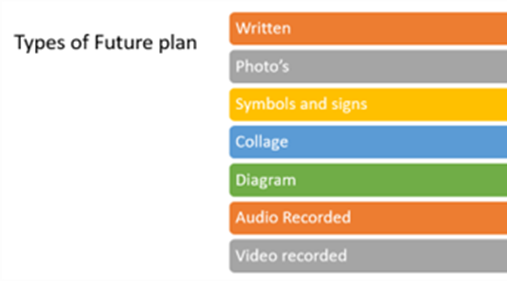
Future Plans should be produced in a format that suits the person

There is no one template being promoted by ECC for a Future Plan, what’s more important is the content and it being person centred and understandable for the person.

It’s important to ensure that all adults with a Learning Disability who are ageing, are being supported to think and plan ahead, to have an enriched and happy older age.

Think about the styles of Life Story books mentioned earlier; which method would best suit the person that you are supporting to produce their Future Plan for Ageing Well?

Click on these icons to find out more about how you can support the person to create their own Future Plan for Ageing Well.

NICE has written advice about care and support for people with learning disabilities as they grow older, have a look at this video for more information - Care and support of people growing older with learning disabilities

This is an easy read version of the same information Easy read - growing older with learning disabilities

www.essex.gov.uk/shaping-my-future This is a guide for people with physical disabilities in Essex. This guide should be helpful to anyone with a disability or long-term condition who would like ideas and information to help think through, and make decisions about, positive changes they'd like to make in their life

For further information regarding any of the tools, contact qualityinnovation@essex.gov.uk who has led on upskilling the Provider Market in the use of the health tools.

Remember that you know the people you support well, so are in a good place to help them ensure that their health needs are being met.

Consider whether it would be beneficial to support the person to request a joint review with Specialist health colleagues, where you have concerns about someone’s health that’s affecting their well-being.

Remember the WAY IN on the ELDP website mentioned previously, where you and the person can get further advice and support.

Here’s a reminder of contact details depending on where you are based in the County.

South: Epunft.ldreferrals@nhs.net

North: hpft.necommunityldteam@nhs.net

Mid and West: hpft.mwcommunityldteam@nhs.net

Mid and West: hpft.mwcommunityldteam@nhs.net

Better Standards of Care – Easy Read

Engaging, contributing and participating in local communities

Loneliness and social isolation often increase as people get older for a variety of reasons. Loneliness is one of the main causes of low mood and depression.

In addition, people with a Learning Disability often go into old age with few friends and connections outside of those paid to support them. Recent engagement by Summit Advocacy on behalf of ECC, with adults with a Learning disability who are ageing, sited ‘loneliness and having no friends’ as their main concern.

This Presence to contribution tool - Helen Sanderson Associates will help when talking with people about what they do on a day-to-day basis and the opportunities these present for getting involved, meeting new people, making connections and contributing to their community. Whoever is providing support could help the person fill this in as part of their weekly activity planning.

Click on the following banner to see a suggested way of encouraging support staff to actively help people to connect and increase their social contacts, outside of those paid to support them’

What it does

It asks people to think about the places that are important to them, where they go now and how they can develop these interests further. This helps us to think about possibilities in the future and plan actions to make positive change, supporting someone to be a contributing member of their community.

How it helps

It provides a structure to think about what a person does on a day-to-day basis, so that we can see opportunities for them to make new connections, meet new people and contribute to the community. Contributing to a community is more than just attending, it’s about people knowing your name, engaging with you, finding out who you are and you giving something back to that community.

This tool is a way of having a conversation with someone to find ways to enable them to be part of their community. It enables you to record what the person is interested in (or take this from their one-page profile), what it means to be present for an activity and what they could do to contribute to it more fully. It asks people to think about the places that are important to them, where they go now and how they can develop these interests further. This helps us to think about possibilities in the future and plan actions to make positive change, supporting someone to be a contributing member of their community.

It provides a structure to think about what a person does on a day-to-day basis, so that we can see opportunities for them to make new connections, meet new people and contribute to the community.

DIY-Facilitator-Guide-Presence-to-Contribution.pdf

Presence-to-contribution.pdf

Presence to Contribution - guidance for using the tool- Helen Sanderson Associates

Remember that seeing an Activity Planner at the annual review does not evidence what the person has been supported to do, it is only a document of intention.

To be truly connected, each activity should enhance the person’s social life, increase their friendship circle and give them a sense of worth from giving back. 

Support staff are key in helping people to make those connections and contributions. Just ‘showing up’ is not enough!

Questions for Practitioners

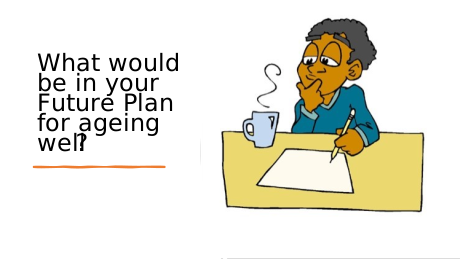
  • So what would be in your own Future Plan for Ageing Well?
  • A future Plan should underpin all that happens on an ageing well journey.
  • Ask to see the Future plan with the person at the review. Is it inspiring and exciting, or full of doom and gloom? How might you influence change in this?
  • Loneliness and isolation is shown to be the main worry for people with disabilities as they age. Service Providers have received training in helping people to be actively participating and involved in their communities.
  • Look for evidence at reviews that people of how many new friends and contacts they now have. If not what promote the use of the Presence to Contribution tool.
Last updated: 23/12/2025