
North and Mid Essex have 6 contracts delivered by 7 organisations in partnership (new CIC used as a special purpose vehicle). West Essex have a lead provider model with two subcontractors and a single provider. South Essex have a single provider (although there are several market providers not contracted to deliver Short Breaks). Contracts run from April 2023 for 3 years plus option to extend for 2 years.
Market Context
Section 25 of the Children and Young Persons Act requires local authorities to provide short breaks for families with disabled children. Short breaks Community Clubs and Activities (SBCCA) give parent carers and siblings a break. This also enables CWD to meet friends, take part in activities, develop independence and have fun. SBCCA are directly accessed by families, and don’t require a social assessment identified need. In April 2023, 12 new SBCCA contracts commenced. The market is adapting well to the improvements identified by families. .
Current Market Status
The market is strong and recent procurement efforts to improve accessible SBCCA has led to the formation of new delivery partnerships in North, Mid, and West Essex. There is increasing demand with on average 100 new registrations to Short Breaks every month. Providers are able to flex contracts to meet demand currently. This needs to be monitored to ensure market capacity can keep up. Recruitment is a challenge for providers. Several providers have links to local colleges and universities, and tend to have good retention of staff.
Market Rating
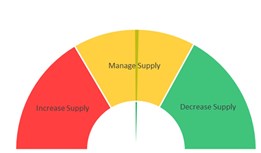
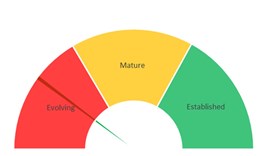
Across Essex there are a good number of providers although there is increasing demand. Essex will need to track access to provision to ensure that families can access appropriately targeted short breaks. Providers are developing their capacity to respond to complexity of need and are able to flex the service to meet the needs of families local to them through co-production opportunities.
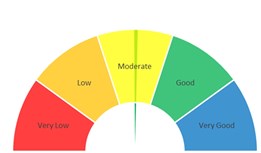
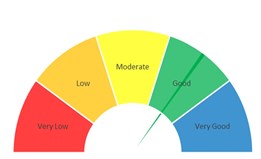
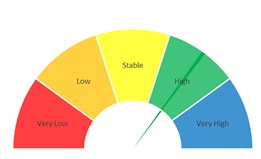
| Market Quality | Market Supply | Market Demand |
|---|---|---|
| Moderate | Good | High |
 |
 |
 |
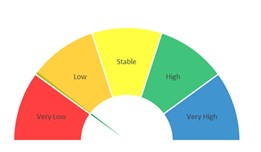
| Market Workface | Market Ambition | Market Maturity |
| Very Low/Low | Manage Supply | Evolving |
 |
 |
 |
|
Total Number of Providers: |
13 |
|
Total Market Spend per year: |
£1,322,000 |
|
ECC Funded Placements |
All ECC funded |
|
Provider Quality – Good or Outstanding: |
CQC/Ofsted not required |
|
Number of Emergency Placements: |
None, this is a universal/additional offer |
|
Number of Planned Placements: |
None |
|
Expected future Capacity Required: |
Significant increases expected. |
The market has developed considerably over the last year. There are new partnerships formed with new contracts in place. Providers are working together and supporting each other as the new relationships bed in.
- The market has faced considerable change, and requires ongoing support to ensure it stabilises and can face future challenges.
- If presenting needs continue to increase in complexity thought will need to be given as to how provision maintains inclusivity whilst managing demand.
- Increased pressure to front line residential workers and providers retaining their workforce
- Ensure the provision implementation and ongoing delivery is supported through robust contract and performance management
- Ensure the provision continues to be coproduced with families