Essex County Council - Provider Hub
Text size:

If you are supporting someone with a learning disability, it is also possible to help them obtain support with health needs from Essex Learning Disability Partnership (ELDP).  

This link will take you to the Way-In which is how you can access more information about services provided by ELDP 

Here is some information provided by ELDP about some of the services offered which you may find helpful:

What is Occupational Therapy?

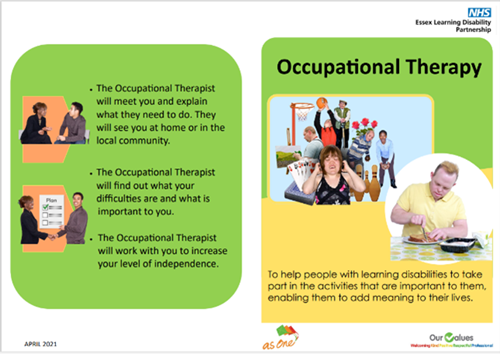
Occupational therapy helps people to achieve independence in their activities of daily living. It helps them find out how you manage everyday activities, such as brushing your teeth, going shopping or making food and drinks and to support people to do activities for themselves. If a person needs help with activities, Occupational Therapy might teach or practice skills with them or change their environment or prescribe equipment to make activities easier. 


An Occupational Therapist can provide you with some activities to help you feel ok about yourself. They might also suggest changes to your environment to make things easier for you. 

An Occupational Therapist can support with ensuring safe systems of work to support moving & handling / to reduce risks for carers with moving and handling individuals  

In cases where the learning disability impacts the person benefiting from post discharge rehabilitation OT recommendations- this will be done collaboratively with the acute/community health services 

The avoidance of care/placement breakdown due to physical or mental health deterioration 

Prevention of hospital admission.   

Difficulty engaging in activities where this is having a significant impact on daily life. 
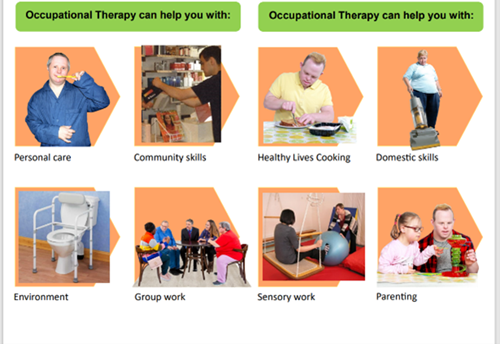
You might get support if you need help to learn about looking after yourself, for example support with bathing, teeth cleaning, shaving or dressing. 

You can get help from Occupational Therapy to develop skills for work or college as well as day to day skills like money, cooking and road safety. 

You might need to improve your confidence in certain activities or want help with feelings, behaviours and skills. 

You might need help with your posture and positioning during the day and night – making sure you are sitting in chair and wheelchair that supports your muscles and abed that supports you while you sleep. 

You might be finding that you are feeling different or experiencing changes in your behaviour. Occupational Therapy will look to see if you have any sensory needs that are not being met. 

What is Speech & Language Therapy?

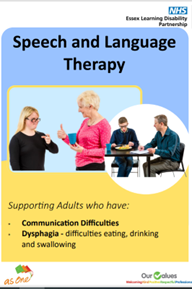
Speech and Language Therapy work as part of the Community Team for people with learning disabilities. The Speech and Language Therapy will support people who use our services, their families and carers and other health professionals assess, treating and providing advice to adults who have communication difficulties or difficulties with eating, drinking and swallowing. 


Speech and Language Therapy helps people who have communication difficulties and those who experience problems eating and drinking. 

It helps people who are showing new signs and symptoms of difficulty swallowing. It might involve observations during a meal or snack time and you may be asked to try some different types of food and drink. 

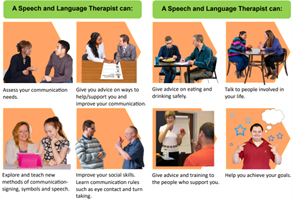
A Speech and Language Therapy can help you and those that support you to understand how to eat and drink safely. 

It can also assess your communication needs, help to give you advice on ways to improve your communication and explore and teach new methods of communication-signing, symbols and speech.

You might get Speech and Language Therapy support if your GP feels you are having problems with eating and drinking, including having difficulties swallowing food. We can only see you if the GP has referred you to the team. 

You might get help from Speech and Language Therapy if you are having problems communicating things you want to share. 

Speech and Language Therapy may also talk to people involved in your life and provide them with advice and training. 

What Is Physiotherapy?

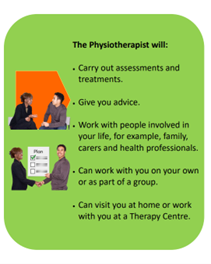
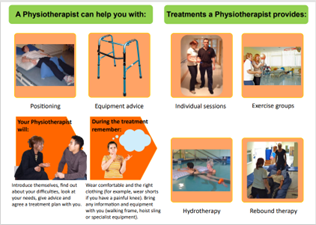
Physiotherapy is something which helps someone with their posture and movement. It can help people if they have a problem walking or with falling over. Physiotherapy can help a person to sit comfortably or help them to get a special armchair or wheelchair by completing a specialist posture assessment and working alongside wheelchair services or equipment reps. It can also help with exercises to stay mobile, increase strength, improve movement and feel more comfortable. Physiotherapy can also help to improve or maintain your respiratory health, including exercise and positioning guidance.  


Physiotherapy can help with posture which includes referrals and assessments for specialist equipment including wheelchairs, seating, orthotics, mobility aids and sleep systems. 

Physiotherapist can help improve movement and function. You may receive advice and exercises following a specialist assessment, taking into account your current health conditions. The intervention will be presented in an individualised way which incorporates your specific needs and work alongside other professionals as required. You may also be provided with equipment such as a walking aid or support you to access more appropriate seating and teach you how to use this correctly.  

Physiotherapy can also help with your respiratory health, by trying and reduce the number of chest infections you have by providing exercises, positioning advice and working alongside your GP.  

You might go to Physiotherapy if you have been falling over and hurting yourself, or you have a sudden deterioration of mobility/changes in mobility causing risk of a placement breakdown 

You might get support from Physiotherapy if you or your family or carer think you might need special footwear. 

You might see Physiotherapy if you need help with sitting or sleeping differently or need support with helping your body to move better. 

If you have problems with your breathing - secretions associated with infection and need for postural drainage/ risk of aspiration pneumonia. 

If you have had surgery and require specialist intervention, which cannot be managed by community physiotherapy team. 

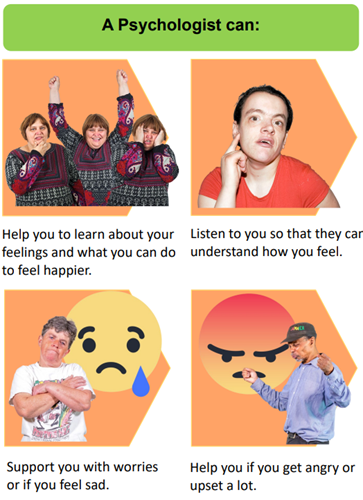
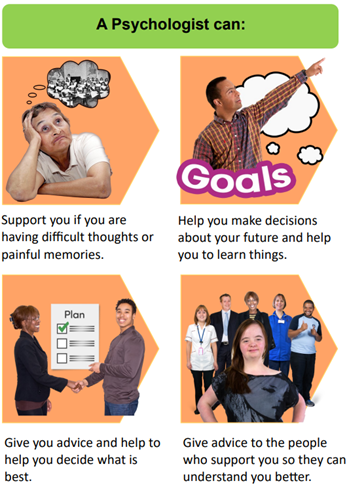
What is Psychology

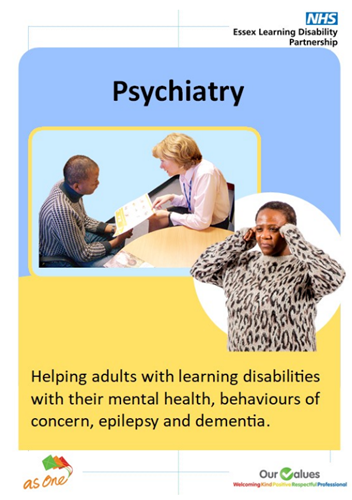
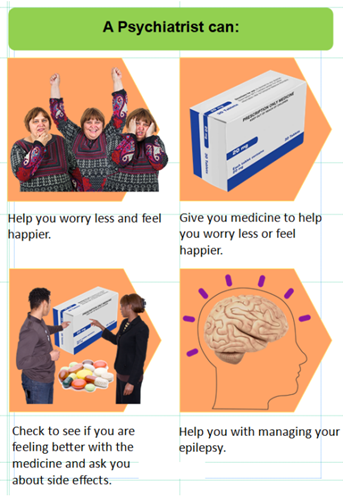
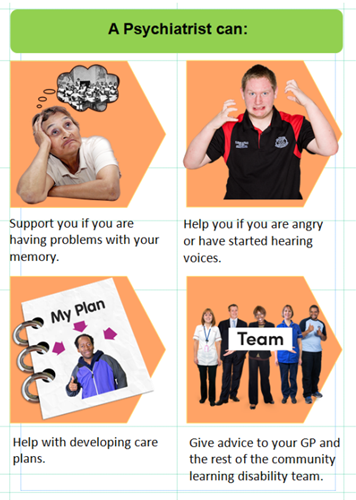
What is Psychiatry

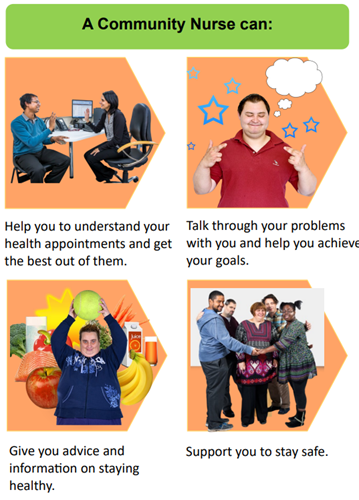
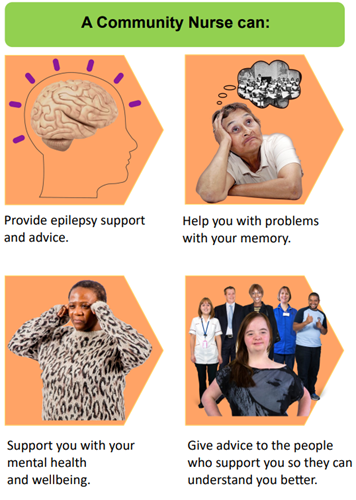
What is community nursing

Last updated: 13/02/2025